
Prevention • awareness • follow-up
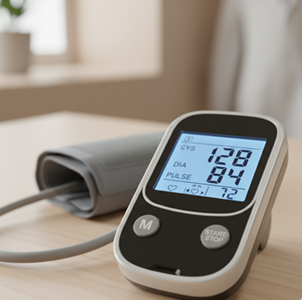
Measure • record • discuss
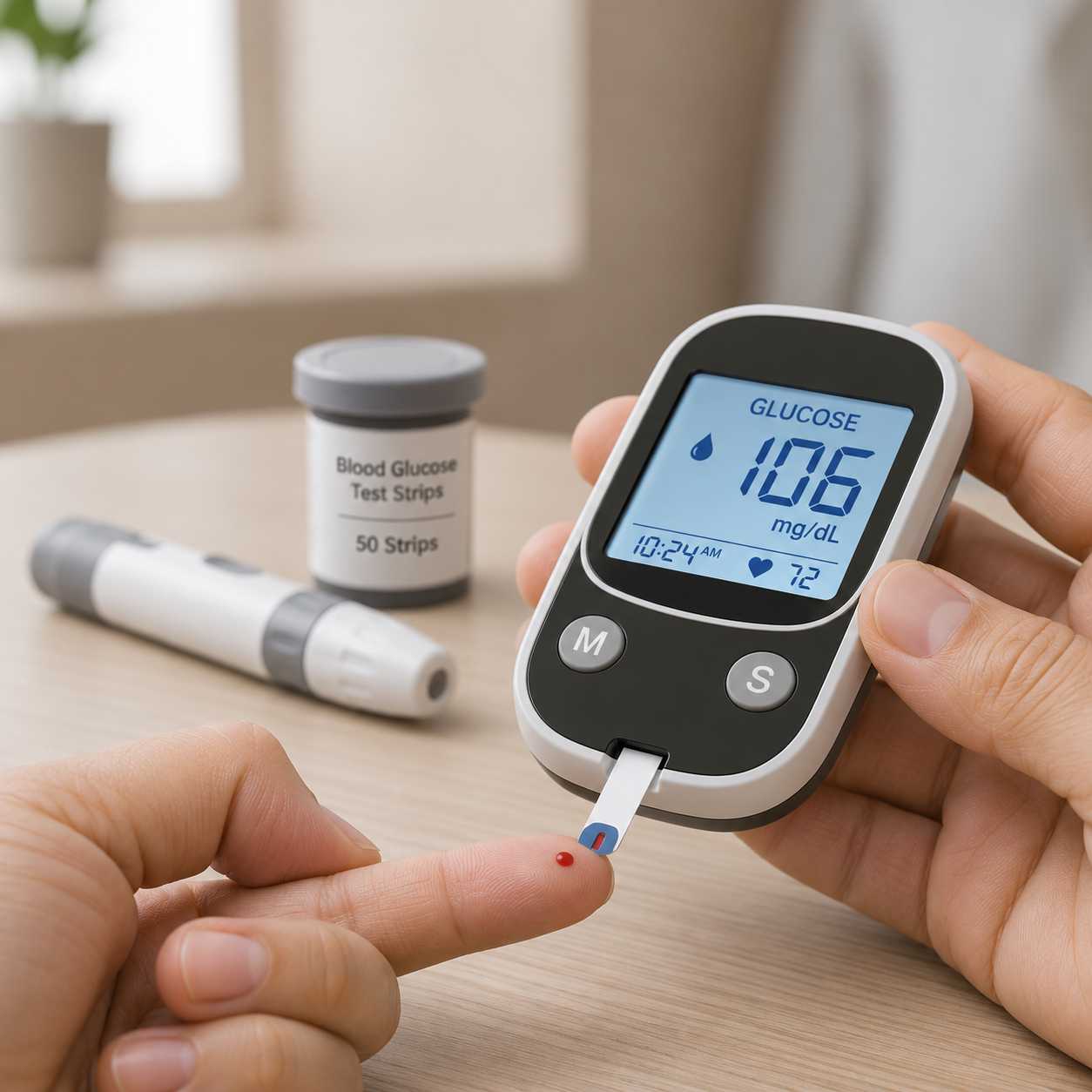
Glucose • HbA1c • healthy habits
The aim is to help people understand common cardiometabolic conditions before their next conversation with a qualified healthcare professional.
Why hypertension can be silent, how it is measured, and the lifestyle factors that influence it.
Learn about common risk factors, heart-attack warning signs, cholesterol and preventive habits.
Understand glucose, HbA1c, daily habits, monitoring and why long-term follow-up matters.
Recognise red-flag symptoms and seek emergency care promptly rather than relying on online information.
Simple imagery supports the educational content and helps make common cardiometabolic topics easier to navigate.
Cardiovascular and metabolic health are closely linked. Weight, movement, food patterns, tobacco exposure, sleep and prescribed treatment can all matter.
High blood pressure commonly causes no symptoms. Diabetes can also be present before a person feels unwell. Screening decisions depend on age, risk factors, history and clinician judgment.
Read common questionsPressure, squeezing or pain in the chest, discomfort spreading to the arm, back, neck or jaw, shortness of breath, sweating, nausea or sudden severe symptoms may signal an emergency. Seek emergency medical care immediately.