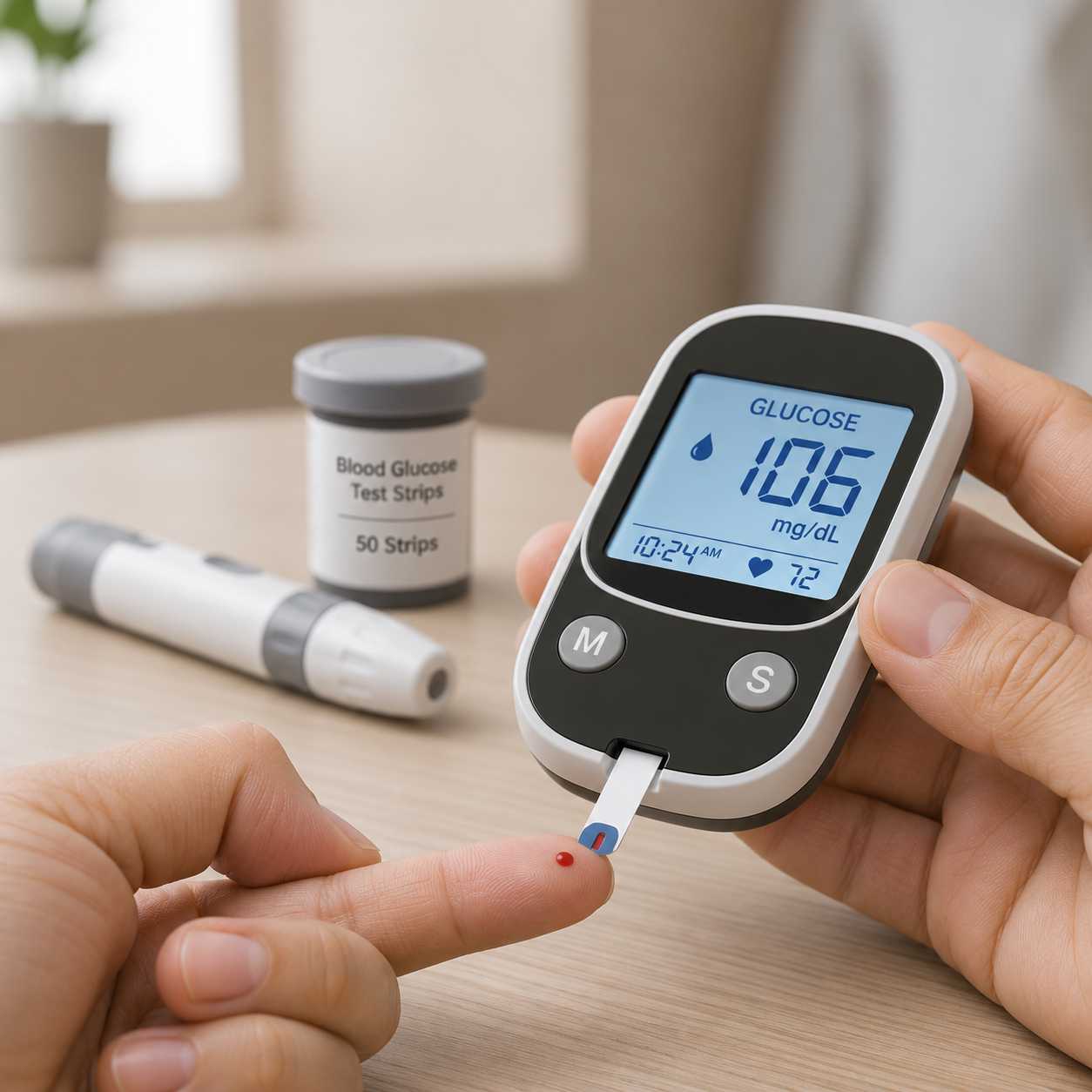
What diabetes means
Diabetes is a condition in which blood glucose is
persistently too high. Management is individual
and may involve nutrition, activity, weight
management, monitoring and one or more medicines.
What is HbA1c?
HbA1c is a blood test that reflects average blood
glucose over the preceding weeks to months. Your
personal target should be decided with your
healthcare professional because it can differ
according to age, other illnesses and treatment
risks.
Daily habits that can help
-
Eat regular, balanced meals and pay attention
to portions.
-
Choose foods lower in added sugar, saturated
fat and excess salt.
-
Include physical activity in a way that is
safe for your health status.
-
Track glucose if your clinician has advised
home monitoring.
-
Take medication as prescribed; do not change
doses based only on website information.
Why heart health matters in diabetes
Diabetes and cardiovascular risk are closely
connected. Blood pressure, cholesterol, tobacco
exposure, kidney health and weight may all affect
the overall risk picture, so follow-up often goes
beyond glucose alone.